
Punchanello
Impact Sub
- Joined
- Jun 23, 2026
- Replies
- 273
Always, and the facade of democracy for the unwashed.Or again, is it socialism for the losses, capitalism for the profits?
By registering with us, you'll be able to discuss, share and private message with other members of our community.
Sign Up Now!
Always, and the facade of democracy for the unwashed.Or again, is it socialism for the losses, capitalism for the profits?


either side of the fences do good snowballing jobs today.I remember growing up thinking that communism was so terrible it would have me living a life of poverty and destitution. The capitalists did a very good job with their propaganda.
Ain't socialism like the PBS, Medicare, NDIS, 40-hour work week and a progressive tax system, grand?either side of the fences do good snowballing jobs today.
Thankfully here majority are not living in poverty/destitution.
Happy days eh....one side of the fence sees some light through the forest, another its doom and gloom.Thanks to the CGT and negative gearing changes the ANZ predicts housing prices would have "fallen" 10.6% across capital cities by the end of next year. Before the slum lords and boomers freak out - What this means for Sydney is that the median price of $1.56m at the end of 2025 will fall to $1.33m at the end of next year. That's is $379,000 (40%) higher than the median house price in June 2020.
So contrary to the scaremongering, house pricing is already coming into the reach of many more people, the RBA is no longer talking about more interest rate rises, banks are suddenly very open to competing on mortgages and pretty much everyone is still making money.
Amazing what dealing with a generational rort and standing up to vested interests will do.
I would fully expect a "correction" in the short term where there would be some pain. Long term though it was completely unsustainable not to mention unfair on tax-payers. Based on those numbers, you'd have to worry about the business acumen of someone who is complaining they can only make a 25% profit on a $1 million investment by sitting on it and scratching their balls for a couple of years.Happy days eh....one side of the fence sees some light through the forest, another its doom and gloom.
Good friend in Melb building industry reported the supply chain is down around 30%.
Everyone in the building industry is in panic mode.
Many builders have nothing on the books upon completion of current jobs.
This is coming from a major supplier I know.
I would expect the same would apply in every State.
well yes, its the classic Gov approach robbing peter to pay paul.I would fully expect a "correction" in the short term where there would be some pain. Long term though it was completely unsustainable not to mention unfair on tax-payers. Based on those numbers, you'd have to worry about the business acumen of someone who is complaining they can only make a 25% profit on a $1 million investment by sitting on it and scratching their balls for a couple of years.
Supply chain issues means less demands to actual suppliers, dropping up to 30% turnover when you have loads of Inventory on shelves, demands decrease strains how many employees you need, your ongoing costs etcetc - hence jobs end up suffering.I don't know enough about the industry, to be honest, to know what is causing supply chain issues. Assuming it is a reaction to this reform, any reform worth its salt inflicts pain on someone. I don't have any skin in this game but what I hate is governments who kick these cans down the road because they have to pretend that reform has to make everyone happy or it is bad. Or worse still, they use tax-payer money to create winners (that's what started this problem) and call it reform.
yes swings and roundabouts - thats kicking the can and depends where in the food chain you are.If we are to believe the construction industry spin, the problem was undersupply not oversupply. The bulk of the change was not really targeting new builds. It was targeting rent-seeking and speculating using tax-payer capital which was inflating the market, socialising losses and shielding profits from tax. With interest rates steadying and maybe even falling, it won't be long until the money starts flowing into new builds which are still lucrative. But I don't want to downplay the fact there is always pain for someone, like your friend, in something like this.


Considering we have 178 billionaires with a wealth accumulation of more than $686bn, if say the fact we have 14% of our population living below the poverty line is quite a damning stat.either side of the fences do good snowballing jobs today.
Thankfully here majority are not living in poverty/destitution.

Not sure the part I've highlighted above is correct. The following text (with my underlining) is taken direct from Tuesday's statement from the RBA's Monetary Policy Board (i.e., Bullock and co).Thanks to the CGT and negative gearing changes the ANZ predicts housing prices would have "fallen" 10.6% across capital cities by the end of next year. Before the slum lords and boomers freak out - What this means for Sydney is that the median price of $1.56m at the end of 2025 will fall to $1.33m at the end of next year. That's is $379,000 (40%) higher than the median house price in June 2020.
So contrary to the scaremongering, house pricing is already coming into the reach of many more people, the RBA is no longer talking about more interest rate rises, banks are suddenly very open to competing on mortgages and pretty much everyone is still making money.
Amazing what dealing with a generational rort and standing up to vested interests will do.
Isn't this not a reflection of the policy, but a reflection of the market?Happy days eh....one side of the fence sees some light through the forest, another its doom and gloom.
Good friend in Melb building industry reported the supply chain is down around 30%.
Everyone in the building industry is in panic mode.
Many builders have nothing on the books upon completion of current jobs.
This is coming from a major supplier I know.
I would expect the same would apply in every State.
True true that Zim re globally.Considering we have 178 billionaires with a wealth accumulation of more than $686bn, if say the fact we have 14% of our population living below the poverty line is quite a damning stat.

I see a thing with Mamdani saying if you tried to sell the ideas of a public library where you can borrow books for free or the fire brigade, it would never happen and you’d be called a communist.Ain't socialism like the PBS, Medicare, NDIS, 40-hour work week and a progressive tax system, grand?
My figures are for Australia alone, not globally.True true that Zim re globally.
I was talking only regards to here I gather you got.
I agree even half those could solve countless probs I whole heartedly agree.
Yer gawd I just checked !My figures are for Australia alone, not globally.
Not really. We vote. We need to stop voting for people who don't give a shit. Also demand that we actually tax big corporations and not let them get away with it. We just baied out Rio Tinto. Why are we bailing them out when they pay minimal tax and send the profits offshoreYer gawd I just checked !
Mind boggling we have that bloody many - unbelievable.
I don’t understand billionaires I’m sure we all don’t having so much fortune.
I expect some do a lot of charity more so for tax purposes but never enough.
Out of our control unfortunately.
Sad
If you read between the lines what they are saying is, don't be naughty citizens. Just because things are looking better don't think we won't punish you if you start fuelling inflation again or a barrel of oil skyrockets.Not sure the part I've highlighted above is correct. The following text (with my underlining) is taken direct from Tuesday's statement from the RBA's Monetary Policy Board (i.e., Bullock and co).
"The Board will continue to do what it considers necessary to bring inflation sustainably back to target, including increasing the cash rate target further if upside risks materialise."
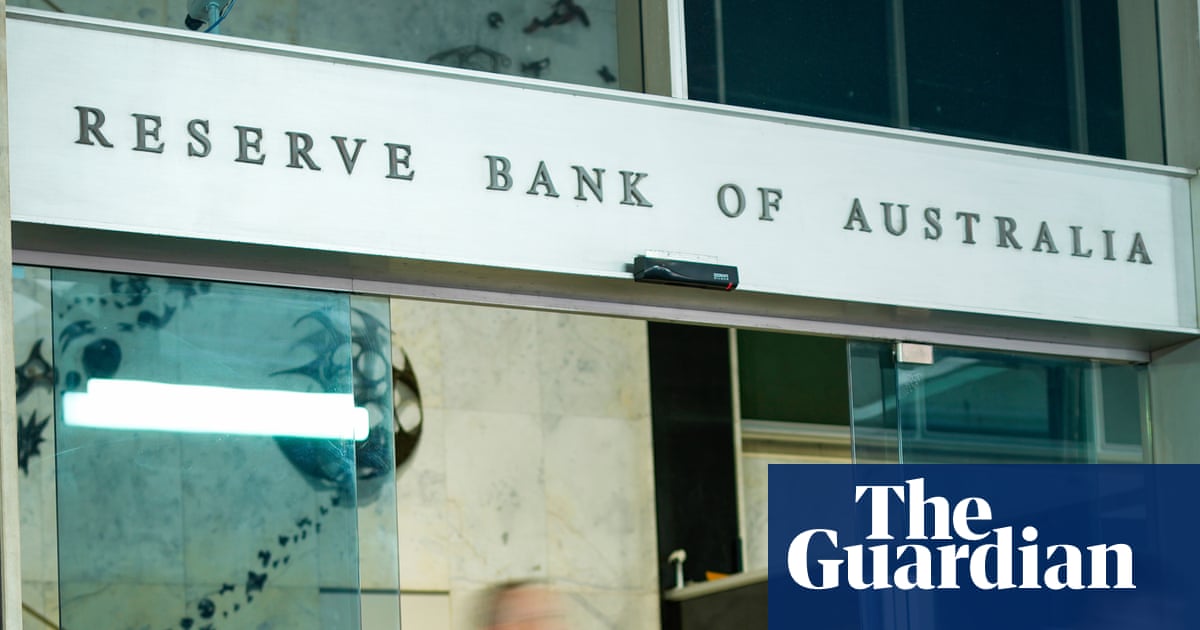
 www.theguardian.com
Isn't this not a reflection of the policy, but a reflection of the market?
People were getting priced out of the market as it was, and investors were just waiting for houses to be on the market and snapping them up. The onus was on the people wanting houses to buy new houses. Now investors are the ones with the onus and incentive to build new houses. If they don't wish to do that, then it just goes to show that they were the problem, and the issue was not so much the supply, but the hoarding of property.


