It was Jimmy Greaves, the former Chelsea, Tottenham, West Ham and England centre-forward, who I first heard coin the phrase, "Football? It’s a funny ol' game!"
When Greaves retired from his illustrious career in the mid-1970s, he avoided management and instead spent a couple of seasons in the semi-professional, non-league ranks before moving into football punditry. He began with newspaper columns before landing a television gig. His first show was a Saturday lunchtime football preview program with former Liverpool and Scotland forward Ian St. John, called "Saint and Greavsie."
Each week they would preview the upcoming fixtures and reflect on the major football stories of the week, which in that era almost always included a manager from the First or Second Division getting the sack.
St. John would ask the questions and Greaves would offer his take. Whenever they wrapped up a segment on managerial sackings, Jimmy would glance at Ian with a mischievous glint and say, "Football? It’s a funny ol' game, Saint!"
But it wasn’t funny for the managers getting the sack.
The Ruthless Reality
Football is often called the beautiful game, but for those in the dugout it can be one of the most unforgiving professions in sport. Behind the glamour of packed stadiums, multimillion dollar contracts and post-match interviews lies a brutal truth: football management is defined by constant scrutiny, fleeting security and emotional exhaustion.
A manager’s reputation can soar with a single victory and be shredded within a week. For every fairytale success, there is a cautionary tale of someone chewed up and spat out by the relentless machinery of modern football.
The image of a manager pacing the touchline, eyes narrowed and veins tense, captures the paradox perfectly. It is a role that demands charisma, vision and resilience, yet often rewards only short-term success.
The brutality of football management is not just in the sackings but in its contradictions. Managers are expected to build long-term projects in an environment that rarely gives them the time to do so.
At its heart lies an impossible equation: expectation versus reality. Every manager dreams of shaping a club’s identity, inspiring its players and winning trophies. But those dreams collide with the demands of owners, fans and the media. In an age of instant gratification, patience is a luxury few can afford.
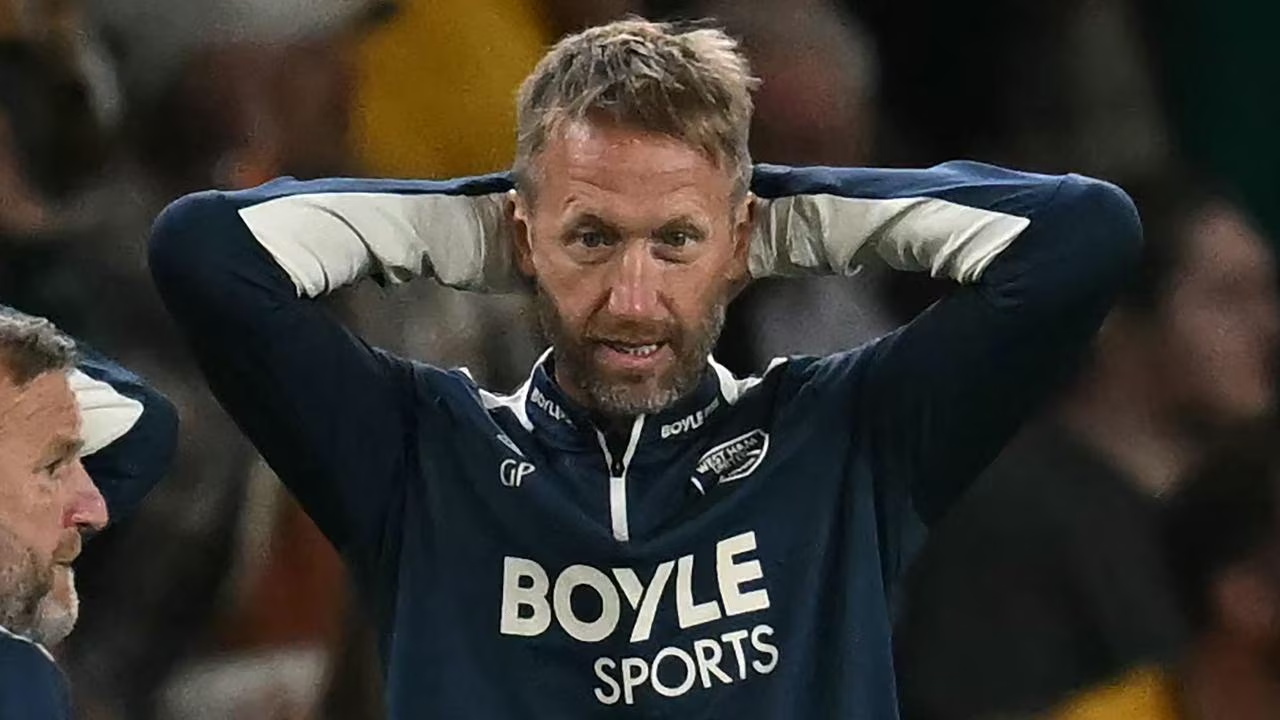
Graham Potter was once considered the next England manager, but since leaving Brighton, has struggled to maintain a managerial position..
The Cold Logic of the Game
Consider Claudio Ranieri. In 2016, he led Leicester City to one of the most miraculous title wins in Premier League history, a 5,000-to-1 triumph that became a global sensation. Yet within nine months he was sacked. Leicester were struggling, but his dismissal showed football’s cold logic. Sentiment counts for little when survival or success is on the line.
The same story repeats across eras and continents. José Mourinho, once "The Special One", has been dismissed from Chelsea, Manchester United and Tottenham despite his glittering record. Unai Emery, Frank Lampard, Graham Potter and Julian Nagelsmann have all experienced the volatility of modern football. The message is clear: reputation buys time, but not much of it.
In England’s top four divisions, the average managerial tenure is now below 16 months. In some clubs, it is barely half a season. The Premier League alone sees roughly half its clubs change managers every year.
Football’s corporate evolution has only intensified this churn. Clubs are global brands now, and a poor run of results means lost revenue, falling stock value and dwindling sponsorships. A manager is not just the team’s leader anymore; they are the face of a business empire. When results falter, they are the easiest person to replace.
Take Watford FC. Between 2012 and 2023, they appointed 18 different managers. Each new hire came with talk of a "long-term vision", undone within weeks by poor performances.
The Human Cost
Behind the headlines lies the emotional toll. Football management is relentlessly stressful, with dressing-room egos to handle, owners to appease and constant media scrutiny. Every word is dissected, every tactical choice debated by pundits and fans.
Even the game’s greatest have felt the strain. Pep Guardiola took a year-long sabbatical after Barcelona, citing burnout. Jürgen Klopp admitted that the emotional toll of management "takes more from you than you realise." When he left Liverpool in 2024, he spoke openly about "running out of energy", a rare confession in a sport that glorifies toughness.
Football’s financialisation has made the job even harsher. The influx of billion-dollar TV deals, sponsorships and foreign ownership means that failure is not just sporting but economic. A missed Champions League spot can cost tens of millions.
Chelsea under Roman Abramovich, and later Todd Boehly epitomises this. Even after winning the Champions League in 2021, Thomas Tuchel was dismissed the following year. In football’s corporate age, success itself has become dangerous because it raises expectations to impossible levels.
The Lost Era of Patience
There was a time when managers were given years to build dynasties. Sir Alex Ferguson survived early struggles to lead Manchester United for 26 years. Arsène Wenger spent more than two decades at Arsenal, reshaping the club’s entire identity.
That era is gone. The modern game, driven by social media outrage, 24-hour news and fan impatience, offers little room for stability. A poor start can trigger online campaigns demanding a sacking. Every match feels like a referendum.
The managerial role has evolved from long-term architect to short-term firefighter. There are exceptions such as Jurgen Klopp, Pep Guardiola and Diego Simeone, but even they operate under relentless pressure. One bad season can rewrite their legacy. Longevity, once a hallmark of greatness, is now endangered.
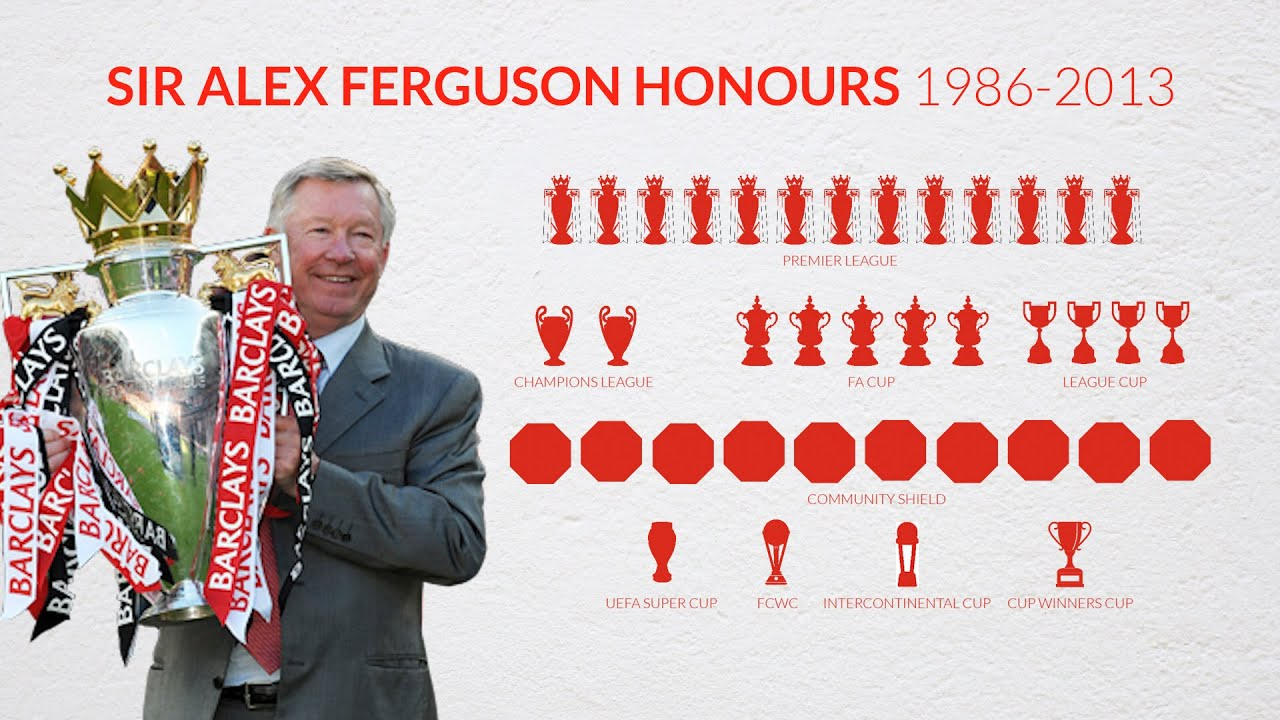
Sir Alex Ferguson, famously 1 game from being sacked, was given time to become the most successful British manager of all time.
Beyond Europe: The A-League Reality
It is not just Europe. In Australia, the brutality is just as real, if not harsher.
In the A-League, where margins are tight and patience even tighter, football management is a precarious profession. For every coach who lifts the "toilet seat" trophy, another quietly clears his desk before season’s end. Contracts promise security but rarely deliver it.
When Steve Corica was sacked by Sydney FC in 2023 -ending a long and decorated spell with the club- it summed up the ruthless nature of Australian football. Corica had delivered multiple titles and developed a generation of players, yet one poor season made him expendable.
Over the past five seasons, more than half of A-League clubs have changed managers at least twice. Clubs such as Melbourne Victory, Brisbane Roar and Western Sydney Wanderers have cycled through coaches in search of that elusive formula, balancing results, entertainment and youth development.
Financial constraints only worsen the problem. Owners juggle modest crowds, limited revenue and competition from rival sports. Often, sacking the coach is the only lever they can afford to pull.
In this climate, patience is a fantasy. Long-term projects give way to short-term survival.
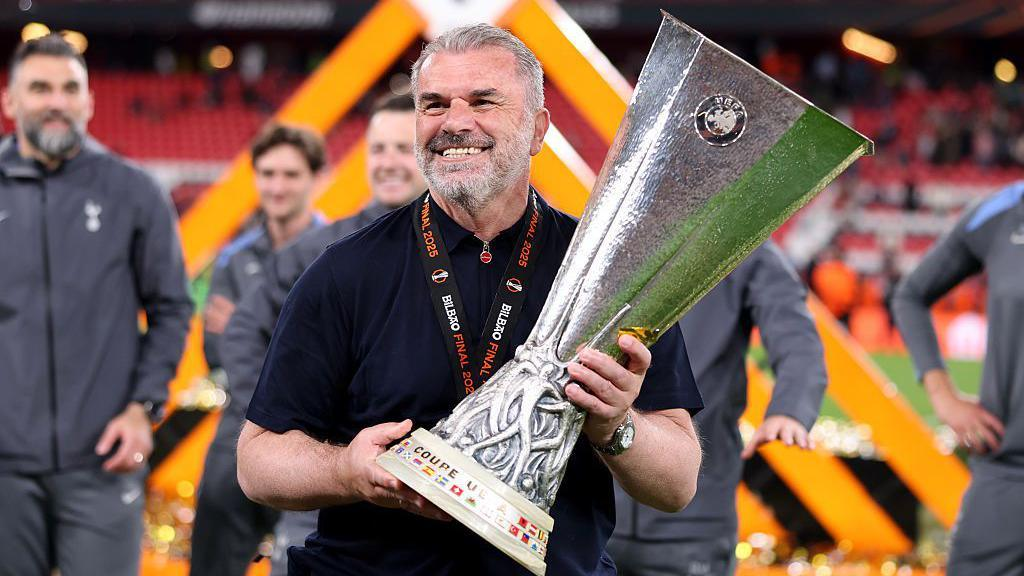
Ange Postecoglou ended Tottenham’s 17-year trophy drought, only to be sacked shortly after for their poor league position.
Ange Postecoglou: Defiance and Reinvention
There is a myth in football that being sacked defines you. Ange has spent a career proving the opposite. Each setback, from South Melbourne to the Olyroos to Celtic, forged a more defiant and visionary manager.
At Brisbane Roar, he did not just win, he changed the game, building a team that played possession football with an Australian soul. With the Socceroos, he endured criticism for his bold ideas but walked away on his own terms.
Every rejection became fuel. Every dismissal, a stepping stone.
At Celtic, the skeptics mocked him, “Ange who?” until he became a cult hero. Then came Tottenham: another gamble, another test, another triumph.
His career is proof that sackings do not define a manager. Conviction does.
Final Whistle
In football, sackings are inevitable, but they do not end stories. They reshape them. Jimmy Greaves had it right all those years ago: "Football? It’s a funny old game." But make no mistake, it is also a brutal business, and that brutality rages on.
Further Reading:
Living On The Volcano: The Secrets of Surviving as a Football Manager by Michael Calvin
The Sack Race by Chris Green
Don’t Shoot the Manager by Jimmy Greaves and Norman Giller
How to Be a Football Manager by Ian Holloway
When Greaves retired from his illustrious career in the mid-1970s, he avoided management and instead spent a couple of seasons in the semi-professional, non-league ranks before moving into football punditry. He began with newspaper columns before landing a television gig. His first show was a Saturday lunchtime football preview program with former Liverpool and Scotland forward Ian St. John, called "Saint and Greavsie."
Each week they would preview the upcoming fixtures and reflect on the major football stories of the week, which in that era almost always included a manager from the First or Second Division getting the sack.
St. John would ask the questions and Greaves would offer his take. Whenever they wrapped up a segment on managerial sackings, Jimmy would glance at Ian with a mischievous glint and say, "Football? It’s a funny ol' game, Saint!"
But it wasn’t funny for the managers getting the sack.
The Ruthless Reality
Football is often called the beautiful game, but for those in the dugout it can be one of the most unforgiving professions in sport. Behind the glamour of packed stadiums, multimillion dollar contracts and post-match interviews lies a brutal truth: football management is defined by constant scrutiny, fleeting security and emotional exhaustion.
A manager’s reputation can soar with a single victory and be shredded within a week. For every fairytale success, there is a cautionary tale of someone chewed up and spat out by the relentless machinery of modern football.
The image of a manager pacing the touchline, eyes narrowed and veins tense, captures the paradox perfectly. It is a role that demands charisma, vision and resilience, yet often rewards only short-term success.
The brutality of football management is not just in the sackings but in its contradictions. Managers are expected to build long-term projects in an environment that rarely gives them the time to do so.
At its heart lies an impossible equation: expectation versus reality. Every manager dreams of shaping a club’s identity, inspiring its players and winning trophies. But those dreams collide with the demands of owners, fans and the media. In an age of instant gratification, patience is a luxury few can afford.
Graham Potter was once considered the next England manager, but since leaving Brighton, has struggled to maintain a managerial position..
The Cold Logic of the Game
Consider Claudio Ranieri. In 2016, he led Leicester City to one of the most miraculous title wins in Premier League history, a 5,000-to-1 triumph that became a global sensation. Yet within nine months he was sacked. Leicester were struggling, but his dismissal showed football’s cold logic. Sentiment counts for little when survival or success is on the line.
The same story repeats across eras and continents. José Mourinho, once "The Special One", has been dismissed from Chelsea, Manchester United and Tottenham despite his glittering record. Unai Emery, Frank Lampard, Graham Potter and Julian Nagelsmann have all experienced the volatility of modern football. The message is clear: reputation buys time, but not much of it.
In England’s top four divisions, the average managerial tenure is now below 16 months. In some clubs, it is barely half a season. The Premier League alone sees roughly half its clubs change managers every year.
Football’s corporate evolution has only intensified this churn. Clubs are global brands now, and a poor run of results means lost revenue, falling stock value and dwindling sponsorships. A manager is not just the team’s leader anymore; they are the face of a business empire. When results falter, they are the easiest person to replace.
Take Watford FC. Between 2012 and 2023, they appointed 18 different managers. Each new hire came with talk of a "long-term vision", undone within weeks by poor performances.
The Human Cost
Behind the headlines lies the emotional toll. Football management is relentlessly stressful, with dressing-room egos to handle, owners to appease and constant media scrutiny. Every word is dissected, every tactical choice debated by pundits and fans.
Even the game’s greatest have felt the strain. Pep Guardiola took a year-long sabbatical after Barcelona, citing burnout. Jürgen Klopp admitted that the emotional toll of management "takes more from you than you realise." When he left Liverpool in 2024, he spoke openly about "running out of energy", a rare confession in a sport that glorifies toughness.
Football’s financialisation has made the job even harsher. The influx of billion-dollar TV deals, sponsorships and foreign ownership means that failure is not just sporting but economic. A missed Champions League spot can cost tens of millions.
Chelsea under Roman Abramovich, and later Todd Boehly epitomises this. Even after winning the Champions League in 2021, Thomas Tuchel was dismissed the following year. In football’s corporate age, success itself has become dangerous because it raises expectations to impossible levels.
The Lost Era of Patience
There was a time when managers were given years to build dynasties. Sir Alex Ferguson survived early struggles to lead Manchester United for 26 years. Arsène Wenger spent more than two decades at Arsenal, reshaping the club’s entire identity.
That era is gone. The modern game, driven by social media outrage, 24-hour news and fan impatience, offers little room for stability. A poor start can trigger online campaigns demanding a sacking. Every match feels like a referendum.
The managerial role has evolved from long-term architect to short-term firefighter. There are exceptions such as Jurgen Klopp, Pep Guardiola and Diego Simeone, but even they operate under relentless pressure. One bad season can rewrite their legacy. Longevity, once a hallmark of greatness, is now endangered.
Sir Alex Ferguson, famously 1 game from being sacked, was given time to become the most successful British manager of all time.
It is not just Europe. In Australia, the brutality is just as real, if not harsher.
In the A-League, where margins are tight and patience even tighter, football management is a precarious profession. For every coach who lifts the "toilet seat" trophy, another quietly clears his desk before season’s end. Contracts promise security but rarely deliver it.
When Steve Corica was sacked by Sydney FC in 2023 -ending a long and decorated spell with the club- it summed up the ruthless nature of Australian football. Corica had delivered multiple titles and developed a generation of players, yet one poor season made him expendable.
Over the past five seasons, more than half of A-League clubs have changed managers at least twice. Clubs such as Melbourne Victory, Brisbane Roar and Western Sydney Wanderers have cycled through coaches in search of that elusive formula, balancing results, entertainment and youth development.
Financial constraints only worsen the problem. Owners juggle modest crowds, limited revenue and competition from rival sports. Often, sacking the coach is the only lever they can afford to pull.
In this climate, patience is a fantasy. Long-term projects give way to short-term survival.
Ange Postecoglou ended Tottenham’s 17-year trophy drought, only to be sacked shortly after for their poor league position.
There is a myth in football that being sacked defines you. Ange has spent a career proving the opposite. Each setback, from South Melbourne to the Olyroos to Celtic, forged a more defiant and visionary manager.
At Brisbane Roar, he did not just win, he changed the game, building a team that played possession football with an Australian soul. With the Socceroos, he endured criticism for his bold ideas but walked away on his own terms.
Every rejection became fuel. Every dismissal, a stepping stone.
At Celtic, the skeptics mocked him, “Ange who?” until he became a cult hero. Then came Tottenham: another gamble, another test, another triumph.
His career is proof that sackings do not define a manager. Conviction does.
Final Whistle
In football, sackings are inevitable, but they do not end stories. They reshape them. Jimmy Greaves had it right all those years ago: "Football? It’s a funny old game." But make no mistake, it is also a brutal business, and that brutality rages on.
Further Reading:
Living On The Volcano: The Secrets of Surviving as a Football Manager by Michael Calvin
The Sack Race by Chris Green
Don’t Shoot the Manager by Jimmy Greaves and Norman Giller
How to Be a Football Manager by Ian Holloway